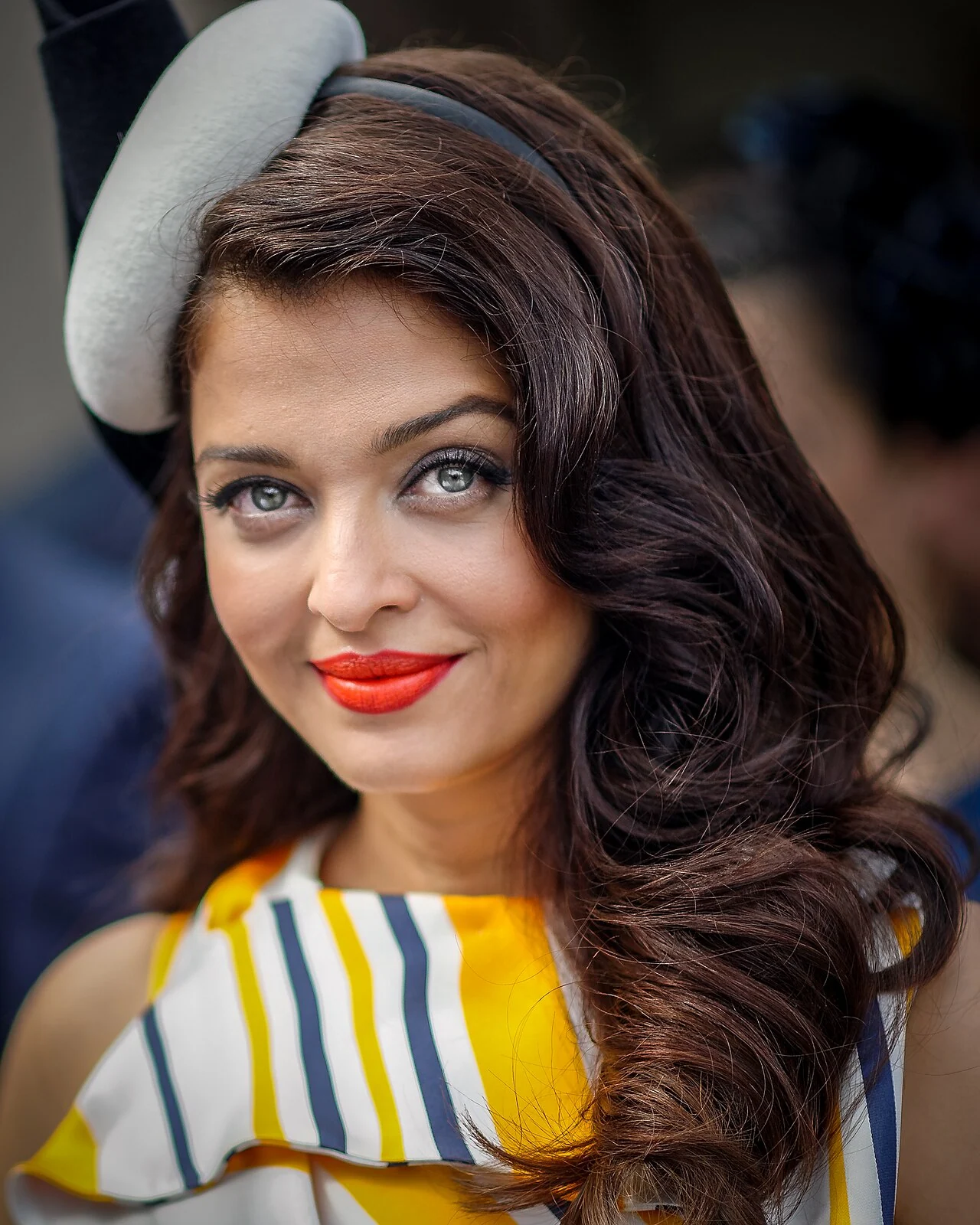
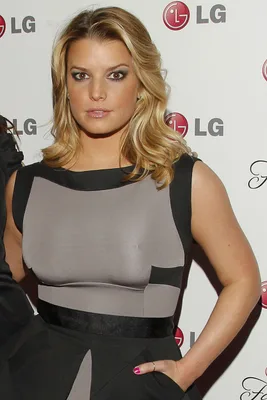
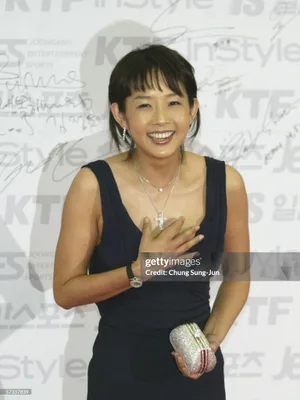
Aishwarya Rai Bachchan at the Longines Queen Elizabeth Stakes at Royal Randwick, Sydney, 9 April 2016. · Photo: Hpeterswald · CC BY-SA 4.0· Cropped to suit the layout.
Editorial portrait. Not a photograph of HPA treatment or a before-and-after comparison.
01 / THE DOCUMENTED EVENTS
What is on the public record.
Criticism of Aishwarya Rai's weight after pregnancy, and later of her styling, was linked to her long-standing L’Oréal partnership. Purple lipstick drew particular ridicule in 2016. Rai herself referred to her obligations to the brand. Accounts differed on whether that particular appearance was officially for L’Oréal. No economic loss has been established.
Audiences and the media may associate a personal look with a long-standing brand partner, even when responsibility for that appearance is unclear.
03 / WHERE HPA COULD HELP
Where thoughtful care could make a contribution.
The grooming and make-up coordination envisaged in the HPA framework could bring agreed responsibilities and personal preferences into preparations for an appearance. Clinically relevant skin and tolerability concerns would be assessed separately. Judging a lipstick colour is not a medical task; audience reactions and body shaming cannot be covered by a promise about clinical outcomes.
These publicly documented cases illustrate different risks: contract disputes, conflicting advertising claims, interrupted care and later negative associations with a brand. The people and companies are editorial case studies; their inclusion does not imply that HPA has cared for them. Each HPA perspective is a hypothetical application of our proposed services, not evidence that HPA could have prevented the events described.
These editorial portraits identify the people discussed. They may have been taken at a different time from the events in the case study. We draw no clinical findings or conclusions about treatment needs from their appearance.