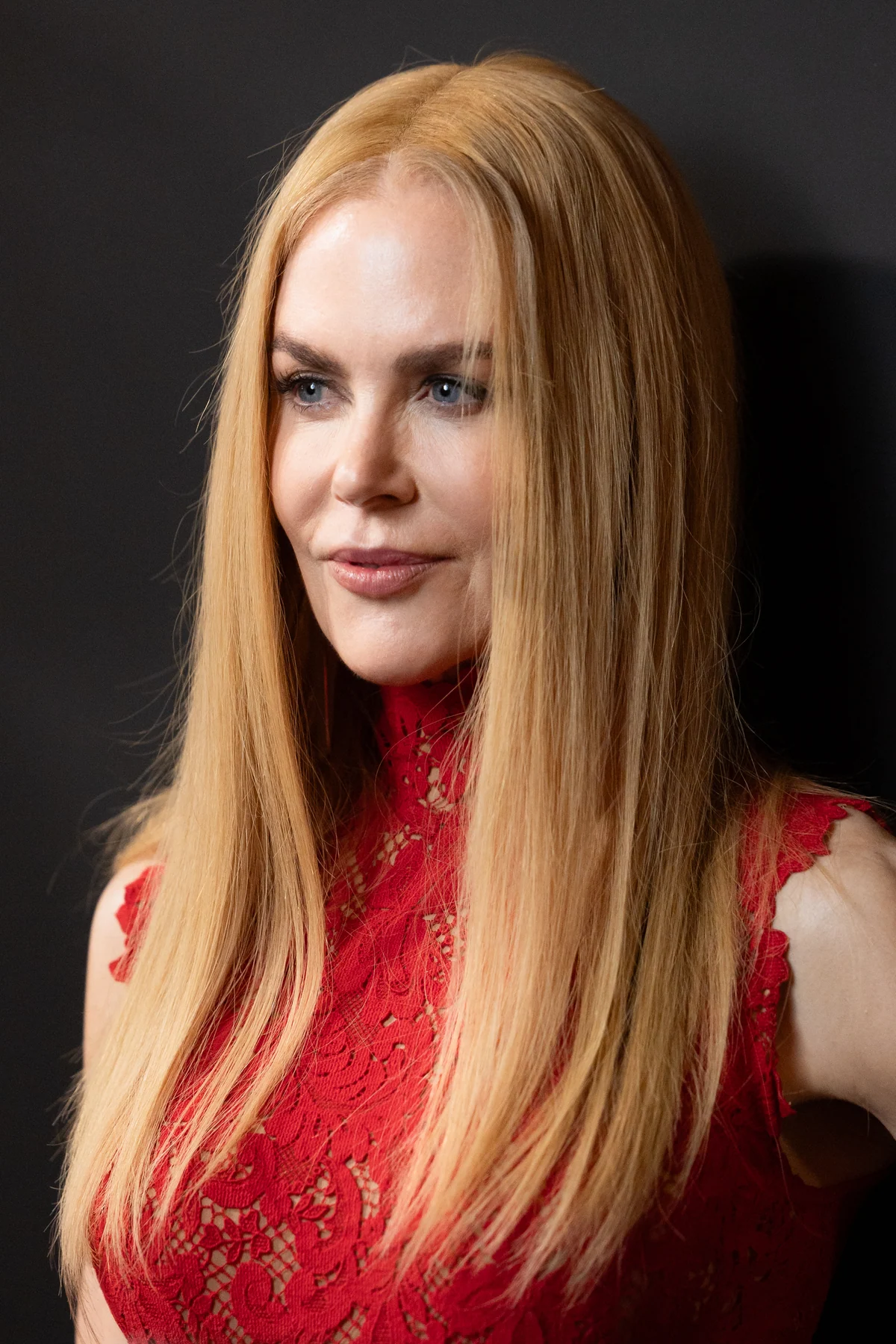
Editorial portrait. Not a photograph of HPA treatment or a before-and-after comparison.
01 / THE DOCUMENTED EVENTS
What is on the public record.
In 2014, El País revisited Kidman's major 2004 Chanel N°5 campaign, adding a disparaging comment about her later facial appearance and alleged effects of Botox. This was one journalist's assessment, not a clinical finding or evidence of harm to Chanel.
A luxury campaign can remain a reference point for how a face is perceived many years later.
03 / WHERE HPA COULD HELP
Where thoughtful care could make a contribution.
Over time, HPA could bring together the individual's own goals for preservation and change, independent advice and a second opinion before certain lasting changes. This supports considered personal decisions over the years. It cannot prevent natural ageing or journalistic judgments; this case does not establish a specific protective effect for Chanel.
These publicly documented cases illustrate different risks: contract disputes, conflicting advertising claims, interrupted care and later negative associations with a brand. The people and companies are editorial case studies; their inclusion does not imply that HPA has cared for them. Each HPA perspective is a hypothetical application of our proposed services, not evidence that HPA could have prevented the events described.
These editorial portraits identify the people discussed. They may have been taken at a different time from the events in the case study. We draw no clinical findings or conclusions about treatment needs from their appearance.




.jpg)